Learn how to reduce passive intermodulation through clean interfaces, controlled torque, material selection, and disciplined RF test methods in production.


Articles on RF circuit and system design, impedance matching, transmission lines, interference, and failure analysis. See SiberSci RF engineering services.
Learn how to reduce passive intermodulation through clean interfaces, controlled torque, material selection, and disciplined RF test methods in production.

Learn how to validate RF prototypes with calibrated measurements, correlation, margins, and documented test evidence before design release or production.

RF fault isolation identifies the physical source of degraded signal performance, separating instrument, interface, component, and field causes clearly.

Learn when you need RF expert testimony in patent, product, interference, and safety disputes, and what makes electromagnetic opinions defensible in court.

Learn to diagnose RF interference with disciplined measurements, source isolation, coupling analysis, and verification for critical RF and microwave systems.

Receiver sensitivity improvement depends on noise, linearity, filtering, and measurement discipline. Learn how to improve real RF receiver performance.

Follow an RF interference mitigation example, from receiver failure and coupling-path analysis through a corrective design and measured verification steps.
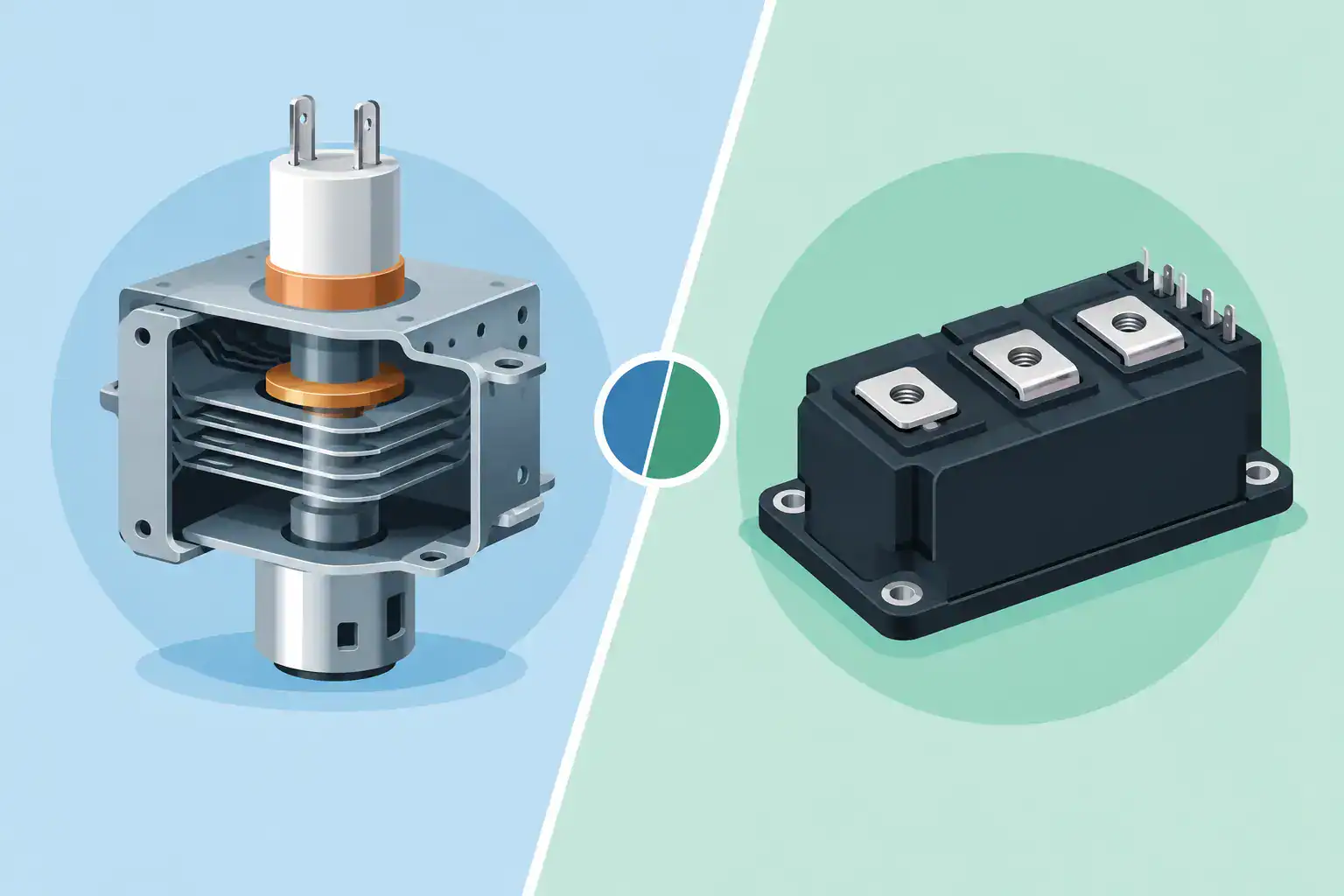
Magnetron versus solid-state RF power: compare efficiency, control, reliability, integration, and cost before selecting an industrial microwave source.

Electromagnetic failure analysis services identify field, circuit, material, and thermal root causes so RF and microwave products return to specification.

Use a transmission line impedance calculator to estimate geometry, dielectric effects, loss, and matching behavior before RF hardware reaches lab bench.

RF power combiner design demands more than equal amplitudes: it requires controlled phase, isolation, thermal margins, and a verified path to production.
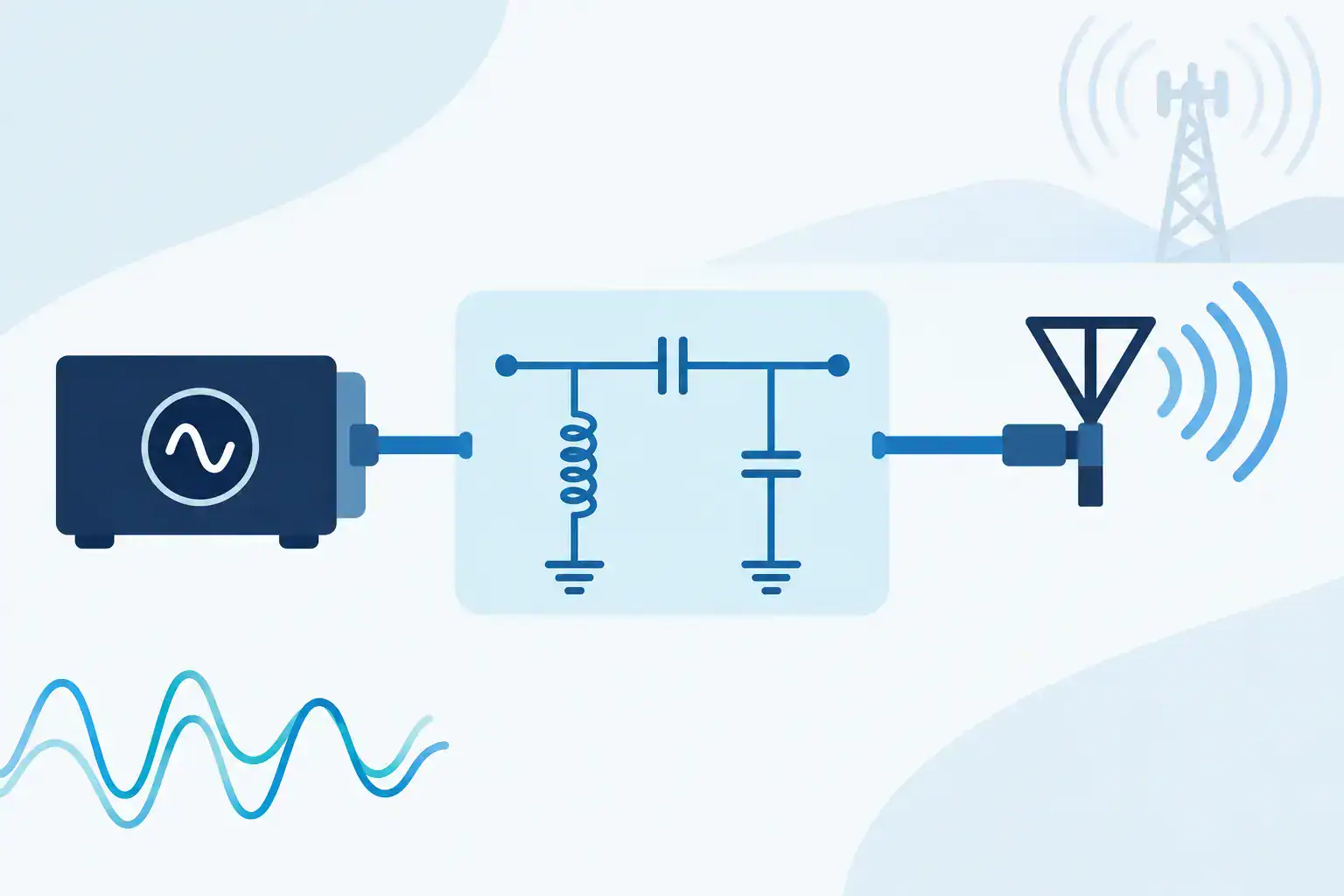
Impedance matching network design applies electromagnetic theory to control loss, bandwidth, power handling, and repeatable RF hardware performance in use.